
A product coach who still does the job.

I have led product as the first product hire at elyps, a neobank, and at UX Pilot, an AI design tool with over a million users. I embedded as a fractional PM in Taxfix's Activation team, and I have trained teams at 300+ startups and 20+ product organisations.
ProductTrio is my practice. A small network of researchers and designers joins when a pilot needs more hands than mine.

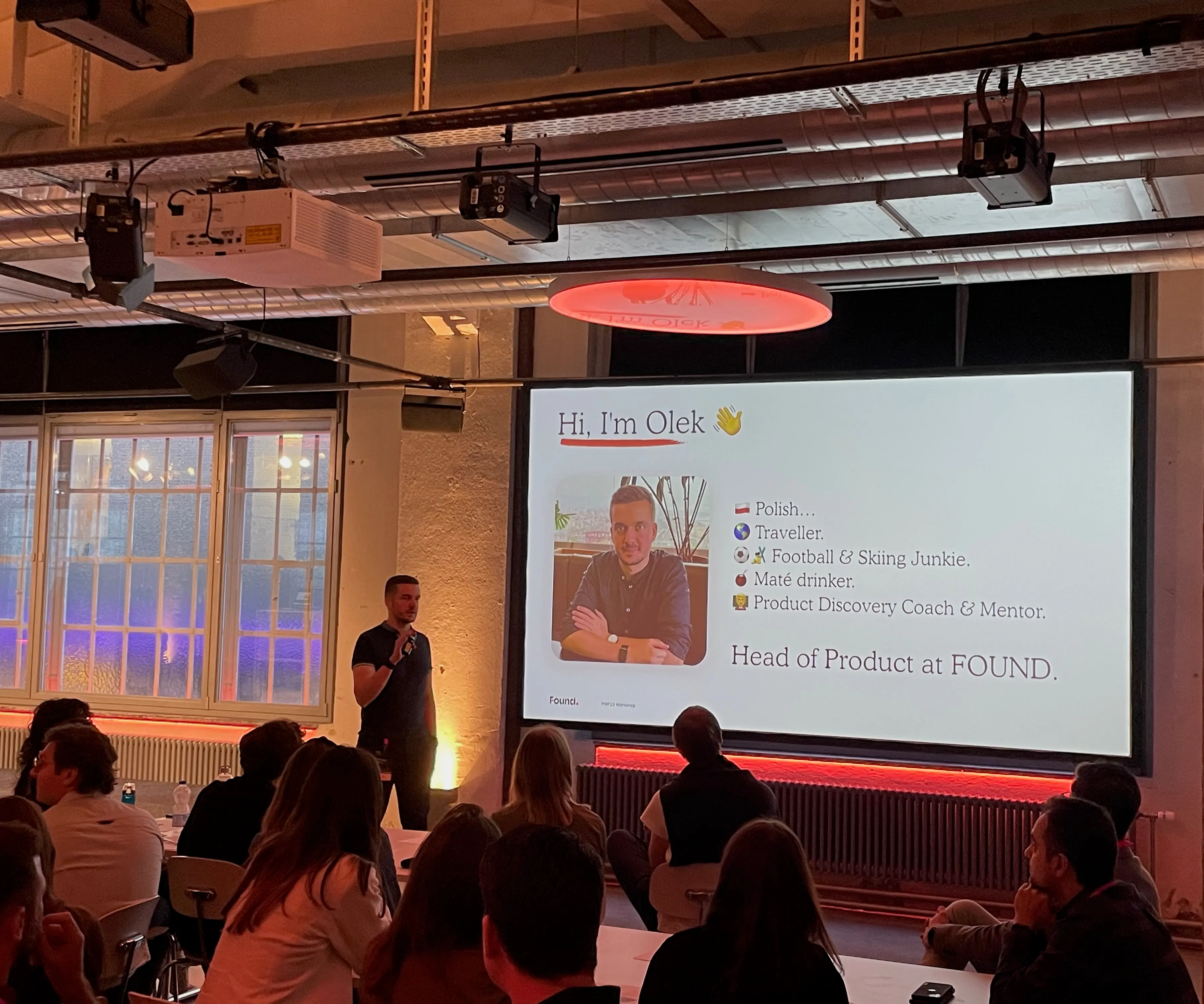
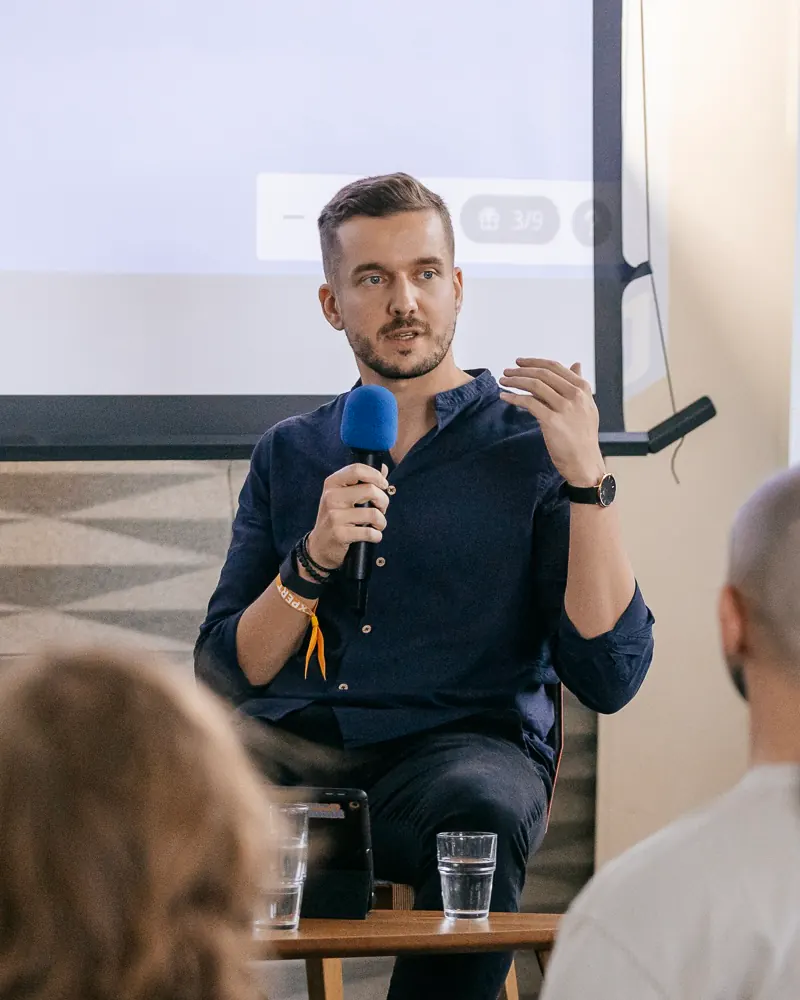
Aleksander Uznański, founder of ProductTrio

Start with one team and one number.

I coach product organisations into the product operating model one pilot team at a time, and founders from an idea to product-market fit the same way: pick the metric, write the success criteria first, test the fix, keep what worked.

Book a free intro call
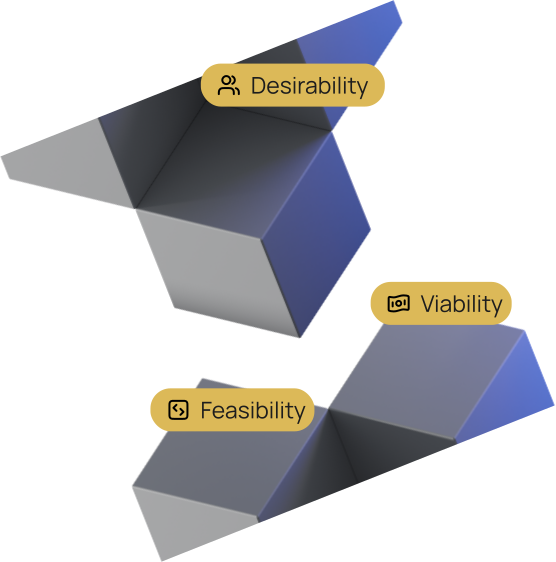
Desirability, viability and feasibility: the three product risks

Good things come in 3

Why "ProductTrio"?

3 Product Team Roles

The product trio is the core of an empowered product team: Product Manager, Product Designer and Tech Lead, jointly accountable for an outcome rather than for a list of features. Each brings a competency the other two cannot fake, and the decisions get better when all three are in the room.

3 Product Risks

Desirability, viability, feasibility: will customers want it, does it work for the business, can we build it. The older frame, and it holds. Marty Cagan splits desirability in two, user value and usability, which earns its keep in B2B products where the buyer and the user are different people. A trio exists to address all of them before anything gets built, not after launch.

3 Product Competencies

Deciding which problems to solve (product strategy), solving them (product discovery), and building and shipping the solution (product delivery). The product operating model is those three, done continuously by the same team instead of handed between departments.
The person

Who's behind ProductTrio?

Aleksander Uznański

I am a product leader with a background in product, operations and management consulting at BCG. I founded ProductTrio in 2021 to help teams build valuable, margin-enhancing products through product discovery and strategy.

Since then I have built four tech products from zero to one in fintech, HR, design and analytics, led product as the first product hire at elyps and UX Pilot, embedded as a fractional PM at Taxfix, and trained teams at 300+ startups and 20+ product organisations. I have worked with product teams at Bayer, Syncron, Deviniti, Millennium and Geld für eAuto.

A small network, when needed

ProductTrio is a practice, not an agency. When a pilot or a research round needs more hands than mine, a small network of researchers, designers and engineers I have worked with on earlier products joins for the parts that need them: interview rounds, prototypes, launch support. You always know who is doing the work.
International Presence

How I work

One method underneath every engagement, workshops included: three questions, asked in order, each with its own instrument. It is called the 3W Loop and it is free to use under CC BY-SA.

Where it hurts

Product analytics first: a funnel step, a retention cliff, one number that hurts. Research without a target is a survey.

Why it happens

Story-based interviews with the people in that segment. Not "would you use it" but "tell me about the last time".

Whether the fix works

A scoped experiment with the success criteria written before it runs. A test you cannot fail is a demo.

Methodology

Built on proven product methodologies

Product Operating Model

The way strong product companies work, as described by Marty Cagan and SVPG: empowered teams given problems to solve and judged on outcomes, with discovery and delivery running continuously. The frame for every transformation engagement.

Continuous Product Discovery

Teresa Torres' discovery practice: weekly touchpoints with customers, the opportunity solution tree, and assumption tests, so a team learns every week instead of once per project.

Customer Development

Steve Blank's model for testing a business hypothesis outside the building: understand the customer's problem before proposing a solution, and validate demand before scaling.

Disciplined Entrepreneurship

Bill Aulet's 24 steps from MIT: beachhead market, full life cycle use case, quantified value proposition, minimum viable business product. The backbone of the 0 to 1 workshop and the self-paced course.

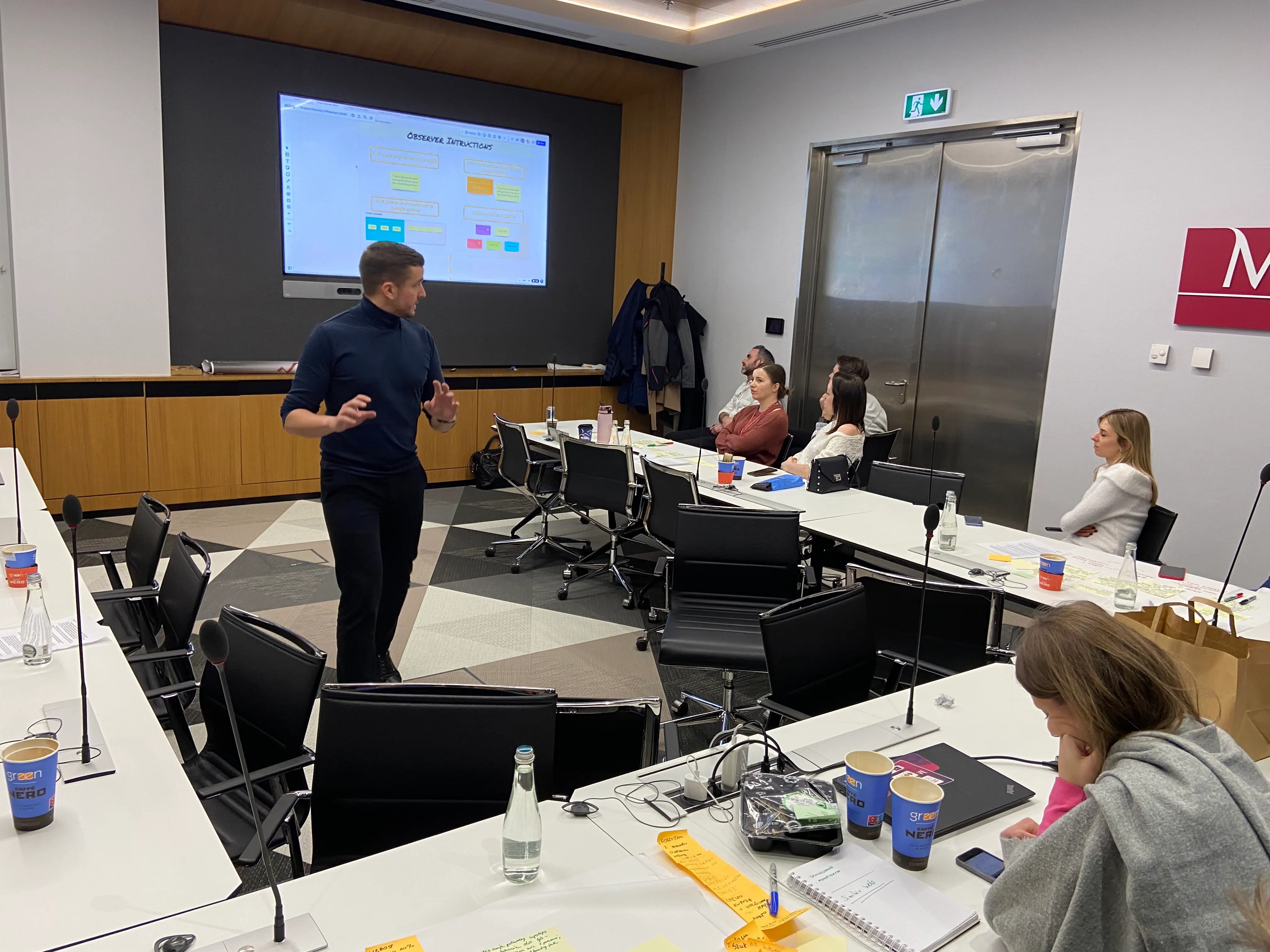
Aleksander Uznański running a product discovery workshop with a product team

Fit

Who this is for, and who it is not

Product organisations with a few product teams

Scale-ups and SMEs with roughly four to ten product teams, where teams ship but nobody can say which release moved a number. Enterprises with fifty teams need a different kind of help, and I will say so on the first call.

Founders between an idea and product-market fit

Pre-seed to Series A, with or without a product person yet. Same three questions, smaller numbers, and a fractional Head of Product when the company needs one before it can hire one.

Not a fit

Anyone who wants a report and no change. Every engagement, workshops included, ends with a written test card and a number to check it against.